AgroecoliveLab considers Vocational Education and Training (VET) a practical and excellent pathway for preparing highly qualified professionals capable of responding to the labour market needs of the agri-food sector.
Within this framework, we have recently applied to the Erasmus+ KA220-VET call for cooperation projects in vocational education, together with partners from Portugal, Italy and Greece. The initiative aims to contribute to the modernisation of the European VET curriculum related to the olive grove and olive oil sector.
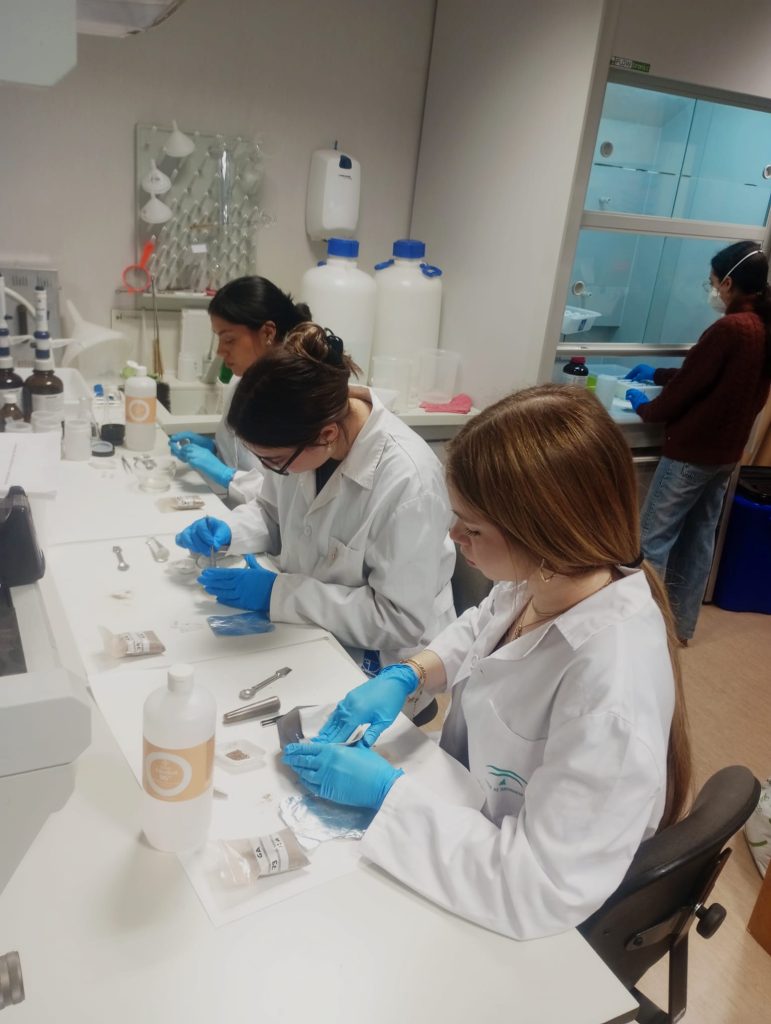
In line with this strategic commitment to vocational education, the AgroecoliveLab laboratory has welcomed three internship students this week from the Higher Vocational Training Programme in Clinical and Biomedical Laboratory at the CDP IFP Aventura (MEDAC) training centre.
Students Lourdes Montiel, María del Carmen Pérez and Ariana Zambrano will carry out their internship period in the laboratory facilities, where they will participate in various experimental support tasks and contribute to the team’s daily technical work.
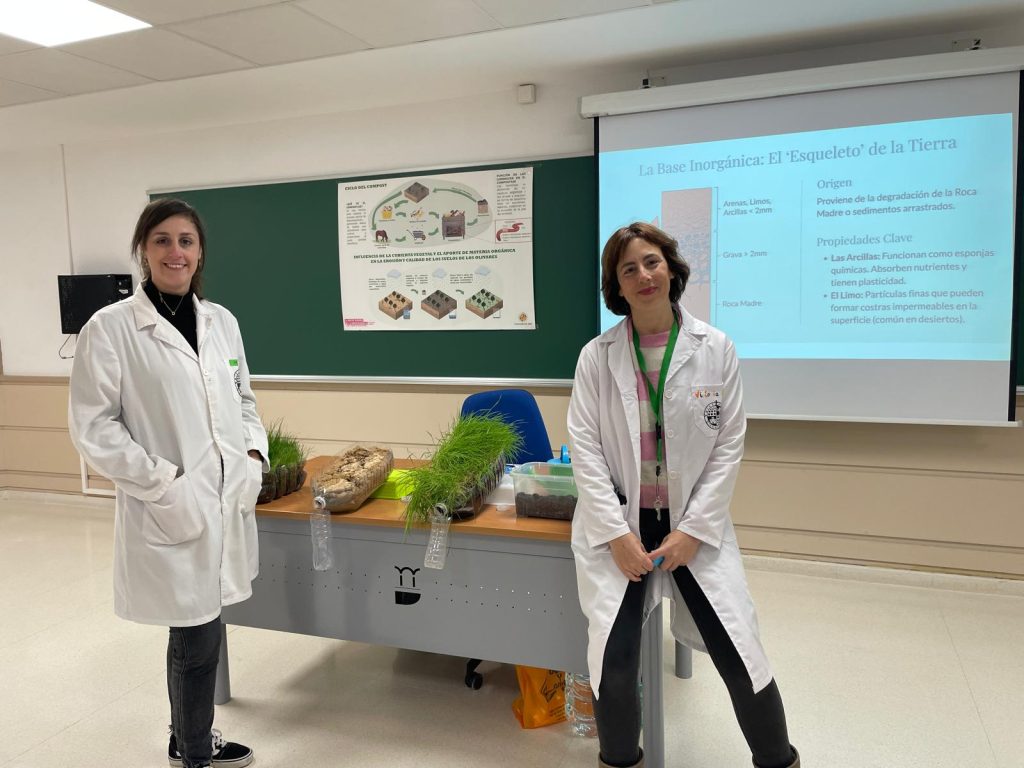
The training placement is supervised by AgroecoliveLab researcher Victoria Ochoa, who will guide the students throughout their learning process in the laboratory environment.
Through initiatives like this, AgroecoliveLab aims to strengthen collaboration with vocational training centres and provide students with direct contact with real research and technical work environments, contributing to the training of the next generation of professionals in the sector.